


In-Floor Systems
Easily deliver power and data with in-floor power distribution systems. Access what you need now and make changes down the road in any open space. Ideal for new construction.



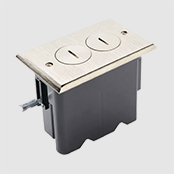
Common In-Floor Power Distribution Systems FAQs
Learn more about in-floor power distribution systems.
What are in-floor power distribution systems?
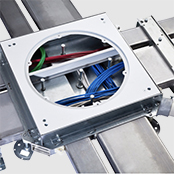
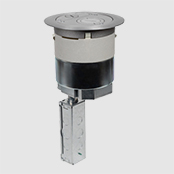
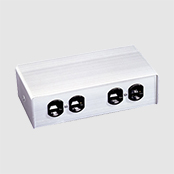
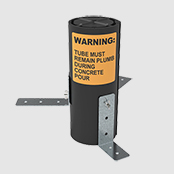
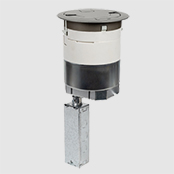
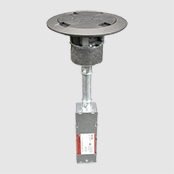
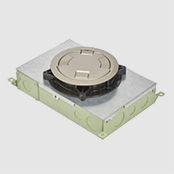
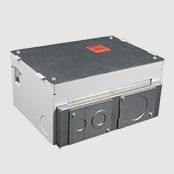
In-floor power distribution systems are advanced electrical systems embedded within a building's floor. They are designed to deliver power, data, and other utilities directly to specific locations within a room. Unlike traditional power outlets and wiring that run along walls or ceilings, in-floor systems are hidden beneath the floor surface, providing a clean and unobtrusive solution.
These systems typically consist of floor boxes, conduit pathways, and modular connections that can be customized based on the space's layout and needs. They are instrumental in environments where the arrangement of workstations or equipment may change frequently, as they allow for easy configuration without the need for extensive rewiring.
What are the benefits of installing an in-floor power distribution system?
- Aesthetic Appeal: One of the main advantages of in-floor power distribution systems is their ability to keep cables and wiring out of sight, which enhances the space's visual appeal. This is especially important in modern office designs and public spaces where a clean and organized look is desired.
- Flexibility: These systems offer unparalleled power and data distribution flexibility. In-floor systems make it easy to add, remove, or relocate power outlets and data ports to suit changing needs. This flexibility is crucial in dynamic environments such as offices, classrooms, and exhibition spaces.
- Safety: In-floor power distribution systems significantly reduce the risk of tripping hazards by minimizing the presence of exposed cables. This is particularly beneficial in busy environments like conference rooms, retail spaces, and industrial settings, where safety is a top priority.
- Efficiency: In-floor systems simplify the process of connecting to power and data sources. This can lead to increased efficiency in setting up workstations and equipment and ease of maintenance. Quick access to power and data ports means less downtime and increased productivity.
Who needs an in-floor power distribution system?
In-floor power distribution systems are suitable for a wide range of settings and industries, including:
- Commercial Offices: In environments where workstations may need frequent reconfiguration to accommodate different team setups or projects, in-floor systems provide a flexible and efficient solution.
- Educational Institutions: Classrooms, laboratories, and lecture halls benefit from the adaptability of in-floor systems, which allow for various room layouts and technological setups to enhance learning experiences.
- Retail Spaces: Retail environments often require flexible power and data access to accommodate changing displays, point-of-sale systems, and customer service areas. In-floor systems help maintain a clean and organized appearance while supporting these needs.
- Industrial Facilities: In manufacturing and production settings, equipment and machinery setups can change regularly. In-floor power distribution systems allow for quick and safe reconfiguration, supporting operational efficiency.
What to consider when installing an in-floor power distribution system?
- Layout and Design: Proper planning is essential to ensure the in-floor system fits seamlessly into the room's layout and meets its specific requirements. This includes considering the placement of workstations, equipment, and pathways for easy access.
- Load Capacity: It is crucial to verify that the in-floor power distribution system can handle the electrical load of all connected devices and equipment. Overloading the system can lead to power outages and potential safety hazards.
- Future Needs: Planning for future expansions and reconfiguations is important. Choose a system that can be easily updated and expanded as the needs of the space evolve overtime.
- Compliance: Ensuring that the installation meets local electrical codes and safety standards is paramount. This guarantees the safety of the installation and ensures compliance with legal and regulatory requirements.
Is an in-floor power distribution system safe?
Yes, in-floor power distribution systems are safe when properly installed and maintained. They are designed to adhere to stringent electrical safety standards, reducing risks associated with traditional wiring methods. The components used in these systems are robust and durable, capable of withstanding the wear and tear of daily use.